Free shipping over R6000
name

A FAMILY STORY SINCE 1948

banner
The parisian impetus
INNOVATION & QUALITY
Longchamp by Philippe Cassegrain
The Paris Fair
Inspiration made logo
Launch of small leather goods
Travels & discoveries
Opening of the first workshop
The rise with Orly
the 70's
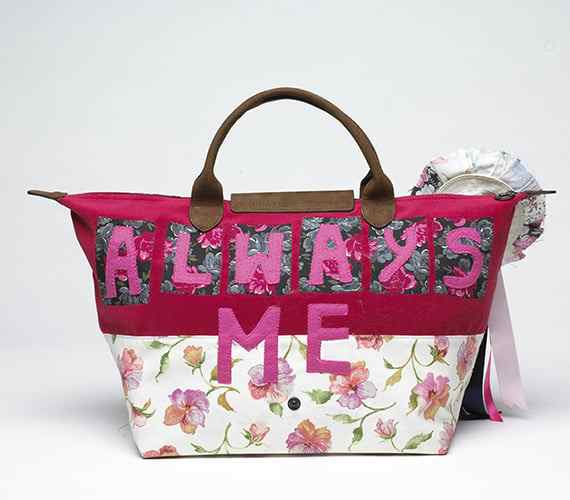
The art of collaboration
 Opening of the first flagship store
 The launch of an icon: Le Pliage
 A second icon is created: the Roseau tote bag
 Asserting the Longchamp allure
 A new architectural signature
 The first fashion show at New York's Fashion Week
 Le Pliage reduces its carbon footprint
 Launch of My Pliage Signature and Pliage Green
 Longchamp, a family story

The parisian impetus

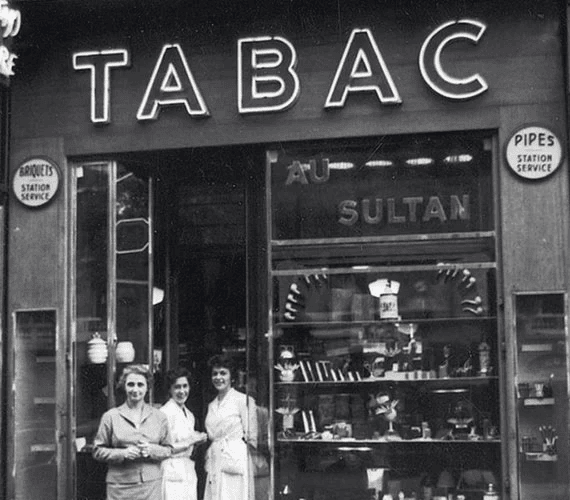
Jean Cassegrain takes over "Au Sultan", the luxury tobacco shop founded in 1926 by his parents

Located in the heart of Paris, the House is ideally placed: "It was situated at boulevard Poissonnière, in the second arrondissement. At the foot of the building was the civette. It was the place to be back then! It was a busy shopping area. It was a quite a breakthrough, from the Place de la République to the Madeleine. The Champs- Élysées barely existed..." recalls Philippe Cassegrain.

INNOVATION & QUALITY

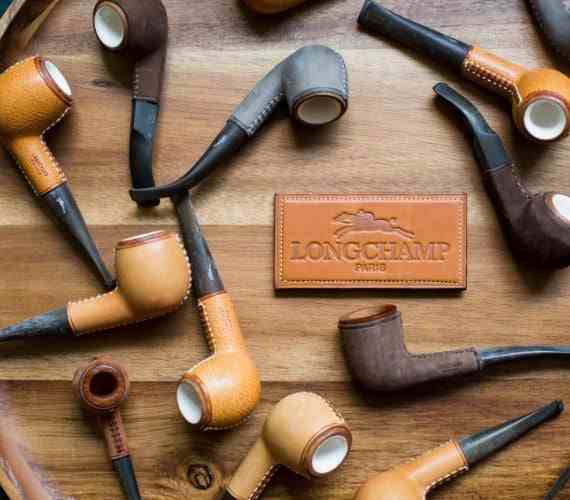
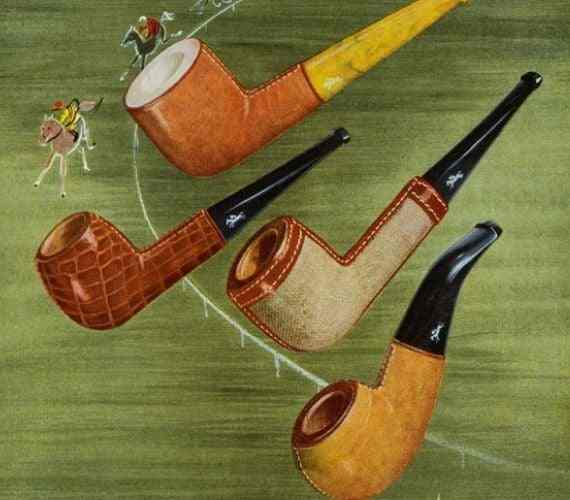
On | February 1948, Jean Cassegrain paves the way for a great adventure in French leather goods. Right from the start, the Maison sets the tone by creating a leather-covered pipe.

Jean Cassegrain establishes Longchamp's reputation, attracting both international clientèle who frequent the Grands Boulevards and local Parisians who are no strangers to the capital’s theatres. Boosted by the impetus of the times, Longchamp's success can be summarised in two words: Innovation and Quality.

Longchamp by Philippe Cassegrain

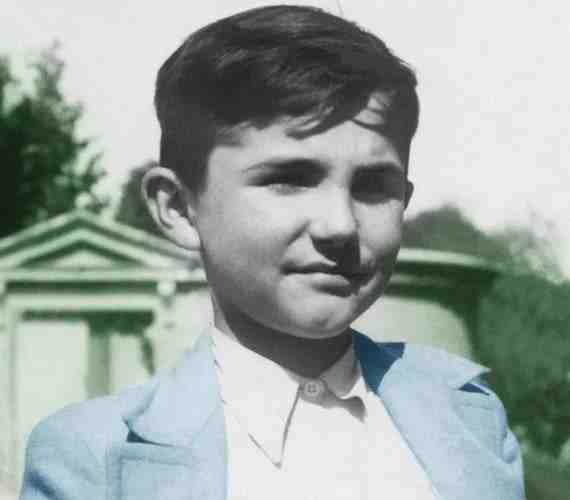
For Philippe Cassegrain, the Longchamp Maison is more than a company, it's a family adventure.

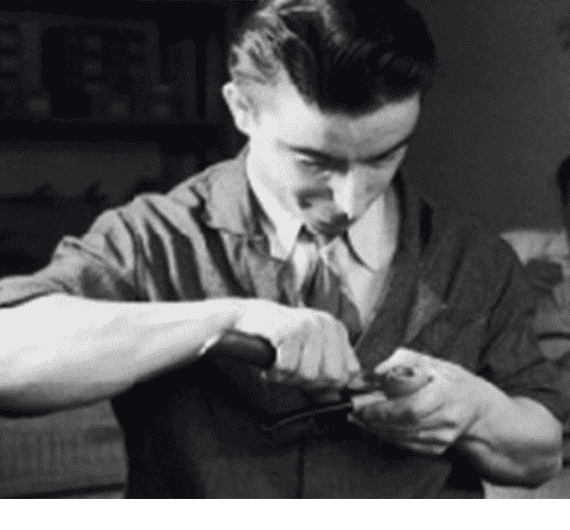
Born in 1937, Philippe was 11 years old when his father founded Longchamp in 1948. As the brand celebrated its 70th anniversary, he shared his memories of the first founding decade, from the early days to the founding characteristics that constitute the essence of Longchamp. "At the time, we didn’t go to school on Thursdays, so we made cigarette cases or passport cases for example; I had a small gilding machine to mark Longchamp in gold leaf."

The Paris Fair

Jean Cassegrain selects crocodile and lizard leathers and surrounds himself with the best craftspeople.

He presents this new collection for the first time on May 1st, 1948 at the Paris Fair, a major meeting place for innovations where luxury houses eagerly return after the war. Philippe remembers: “My father welcomed customers from all over the world to his booth, curious to discover the latest novelties and up-and-coming fashion styles. It is necessary to understand the context : this was the year when the public discovered the first television sets, and they worked - a revolution! ”

Inspiration made logo

During his daily rides between his home and the center of Paris, Jean Cassegrain enjoys the view of one of the last “mills” in the capital.

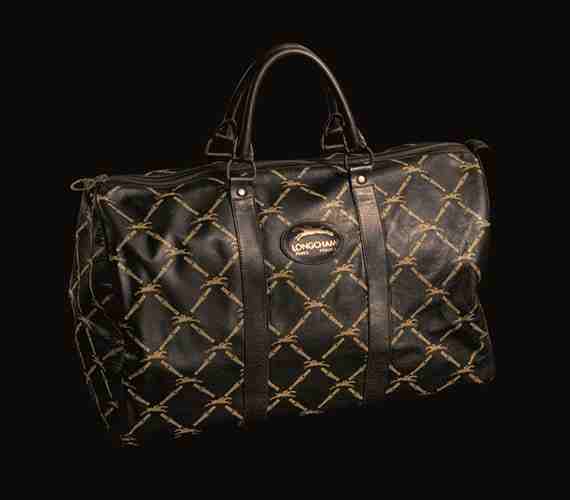
Nestled at the end of the Longchamp racecourse, he begins to play with the sound of his surname, reminiscent of milling – “cass-grain:” literally “seed-breaker” – and associates it with the world of saddlery for which he designs his collections. Drawing from his inspiration, Jean Cassegrain commissions Turenne Chevallereau to design the symbol that Le Maison will never stray from. The movement of a galloping horse, a symbol of elegance, gives rise to what would become the emblem of the Le Maison.

Launch of small leather goods

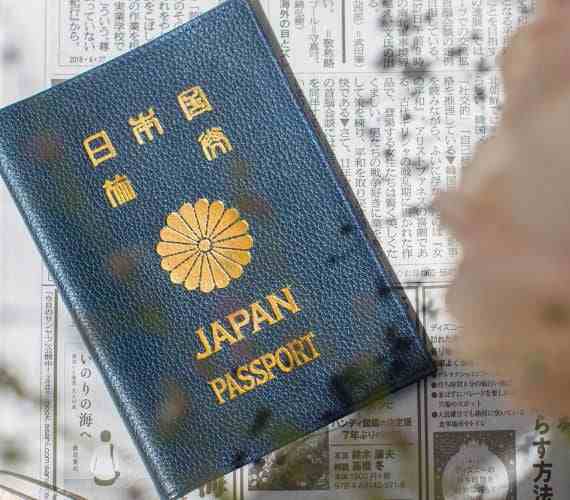
The brand's international expansion gives Jean Cassegrain the idea to create leather passport covers embossed with gold leaf and each country’s emblem.

Following its success, Jean Cassegrain expands the Maison’s product offering by introducing small leather goods to his collections.

Travels & discoveries

Jean Cassegrain sees an opportunity and seizes it: it is time his eldest son travels and explores new cultures.

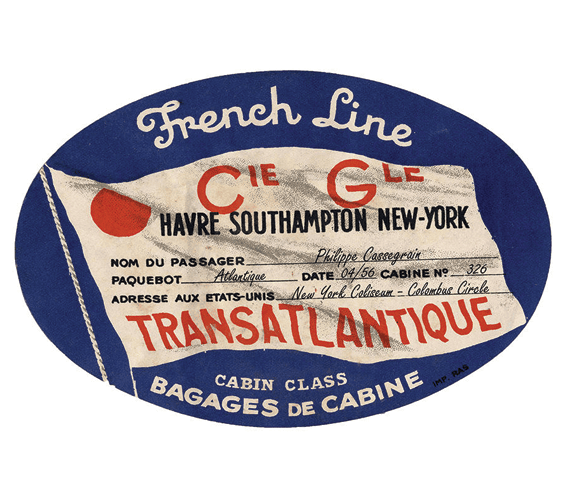
At age 16, young Philippe boards a Union-Castle liner to Africa. The following year, in 1954, when he turns 17 years old, Philippe travels to Hong Kong for the first time. After his African and Asian travels, a trip to North America follows. Over three consecutive years, Philippe travels there regularly and lays the Le Maison’s foundations.

Opening of the first workshop

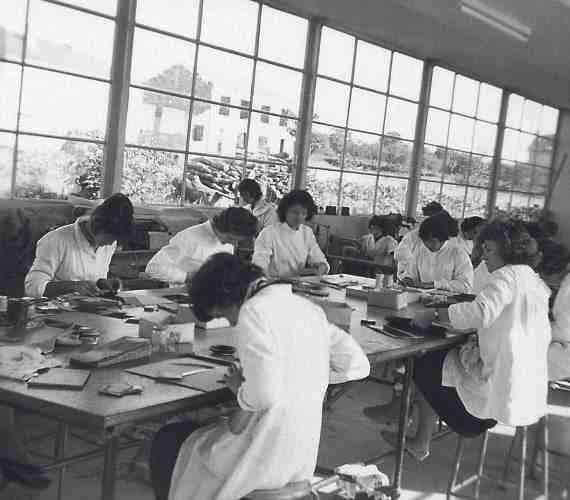
To support Longchamp's growing success, Jean decides to invest in his very own workshop.

He chooses to set up in Segré, a small town near Angers, where he can rely on the expertise of Mr and Mrs Allet and their team, who had already been working for the Maison for several years.

The rise with Orly

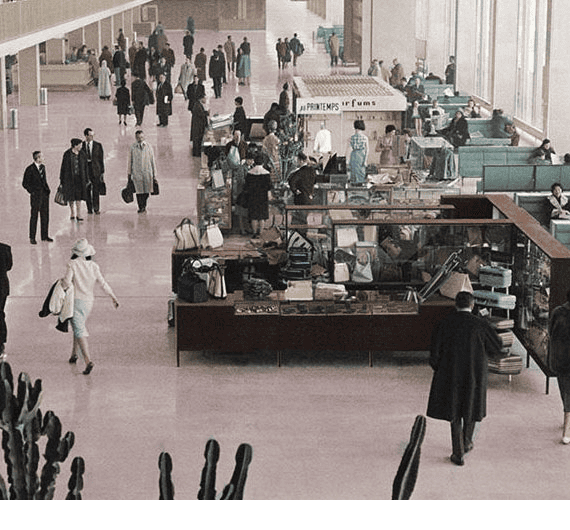
As early as the 1960s, the Orly Sud airport terminal exemplifies a remarkable revolution.

The terminal attracts not only travelers, but also tourists who come to see the planes take off from its open terraces and hoping to meet Audrey Hepburn, Greta Garbo, Romy Schneider, or Ray Charles who chose Orly to give his Parisian interviews. Philippe recalls : "Very early on my father set up a Longchamp booth in Orly showcasing suitcases. I opened that first store. It was an adventure. By seven in the morning, I was already selling much luggage, and in the afternoon, I was at the office.”

the 70's

Longchamp celebrates women

In 1971, Philippe Cassegrain designs his first bag for women

The art of collaboration

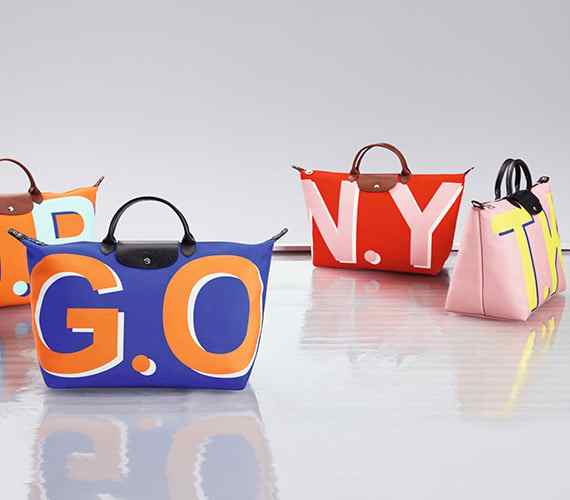
Jean Cassegrain takes over "Au Sultan", the luxury tobacco shop founded in 1926 by his parents

Located in the heart of Paris, the House is ideally placed: "It was situated at boulevard Poissonnière, in the second arrondissement. At the foot of the building was the civette. It was the place to be back then! It was a busy shopping area. It was a quite a breakthrough, from the Place de la République to the Madeleine. The Champs-Élysées barely existed..." recalls Philippe Cassegrain.

Opening of the first flagship store

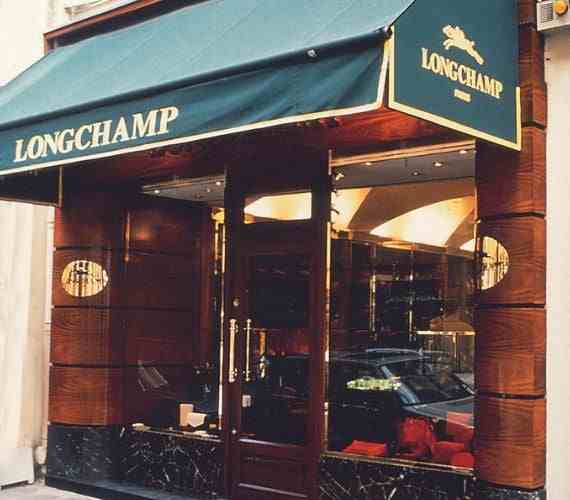
Longchamp enters the world of retail with the opening of its first flagship store in 1988 at 390 rue St Honoré, in the heart of Paris, the fashion capital of the world.

This prestigious address is chosen by Michèle Cassegrain, Philippe’s wife and head of the Longchamp Boutiques. Following on from this first flagship store, she leads a remarkable expansion of the distribution network, which now boasts 300 own-brand boutiques.

The launch of an icon: Le Pliage

Le Pliage: Lightweight designs still pose a major challenge for all leather goods manufacturers. How do you bring together the lightness of a feather with the durability of a bag?

The solution seemed unsolvable in the early 90s. But the mysteries of arithmetics piqued Cassegrain's curiosity... because each impossible project only drove the craftsmen to develop the Maison's savoir-faire further. And so, Le Pliage was born. This iconic line would change the history of the Maison forever.

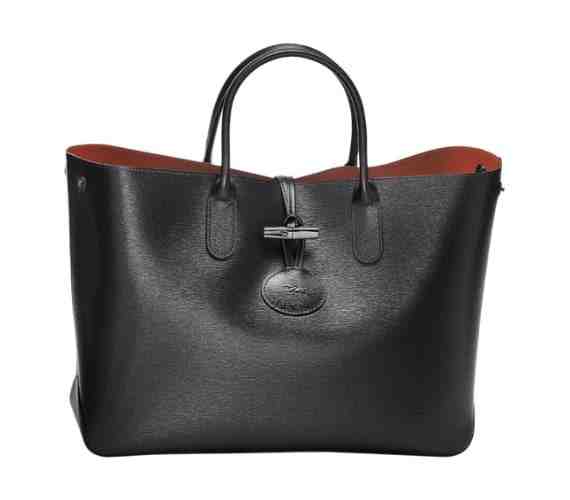
A second icon is created: the Roseau tote bag

The Roseau: this large leather tote bag with a bamboo-shaped jewel fastening marks the start of a tremendous success.

A journalist- and trend setter-favourite, it makes appearances in the front rows of fashion shows and the streets of Paris. And yet, at first glance, it seems like a bit of an outsider! It can’t be worn on the shoulder or across the body, and it doesn't close!

Asserting the Longchamp allure

The new millennium has seen Longchamp reinforce its status as a Fashion House.

Under the artistic direction of Sophie Delafontaine, the brand defines the Longchamp woman: free and independent, Parisian and cosmopolitan. The brand sees the launch of their Ready-to-Wear collection in 2006, followed by shoes in 2012 and glasses in 2017.

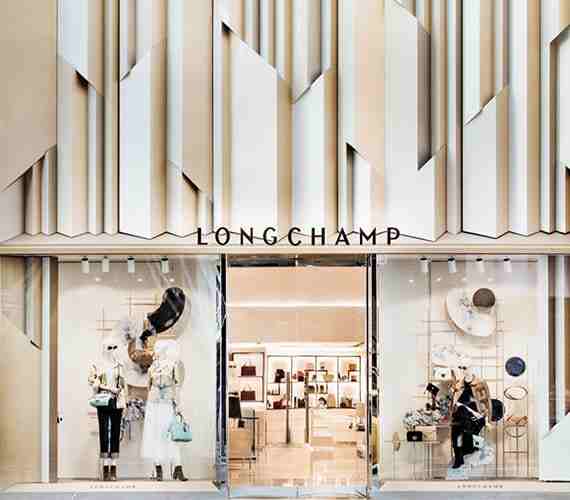
A new architectural signature

In 2017, Longchamp reveals its new “Prismatic” visual signature in its boutique at the Kerry Centre in Shanghai.

This unique concept reappears the same year for the opening of the Maison’s flagship store in Omotesando, Tokyo. In 2018, the signature adorns the façade of the new flagship store on Fifth Avenue in New York.

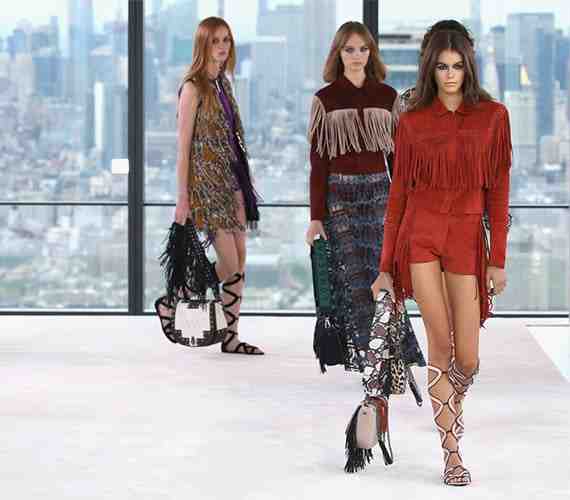
The first fashion show at New York's Fashion Week

8 September 2018, in a newly opened space: the 68th floor of the 3 World Trade Center.

Behind the scenes: the biggest names in the industry. 40 models: top celebrities and up-and-coming names. The guests: iconic celebrities and influencers. A year that celebrates the Maison’s 70th anniversary.

Le Pliage reduces its carbon footprint

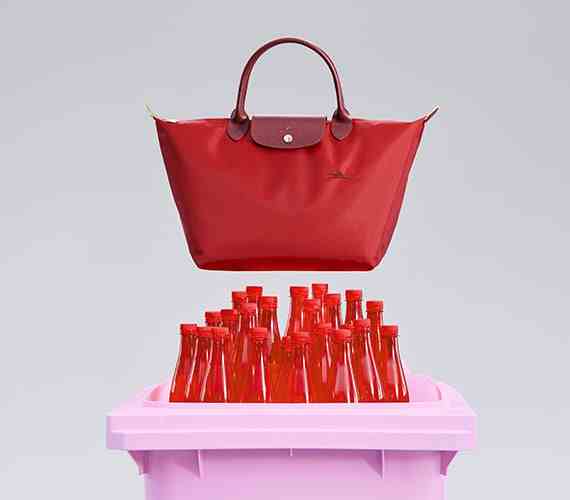
Since 2019, Longchamp has slowly replaced all virgin synthetic fibres in its collections for recycled fibres.

By 2023, this transition will have been completed and all the company's leather goods and canvas luggage lines will be made from recycled fibres. Starting with the entire Le Pliage range, the carbon footprint has been reduced by 20%. This approach is in line with the company's efforts to reduce its impact on the environment.

Launch of My Pliage Signature and Pliage Green

This innovation, unique to Longchamp, is a perfect combination of creativity, technological innovation and environmental responsibility.

The recycled version of our iconic model (the original nylon Pliage), this time made from 100% recycled nylon. In 2023, all the synthetic fabrics we use will be woven from recycled yarn.

Longchamp, a family story

To describe Longchamp, is to write a family story.

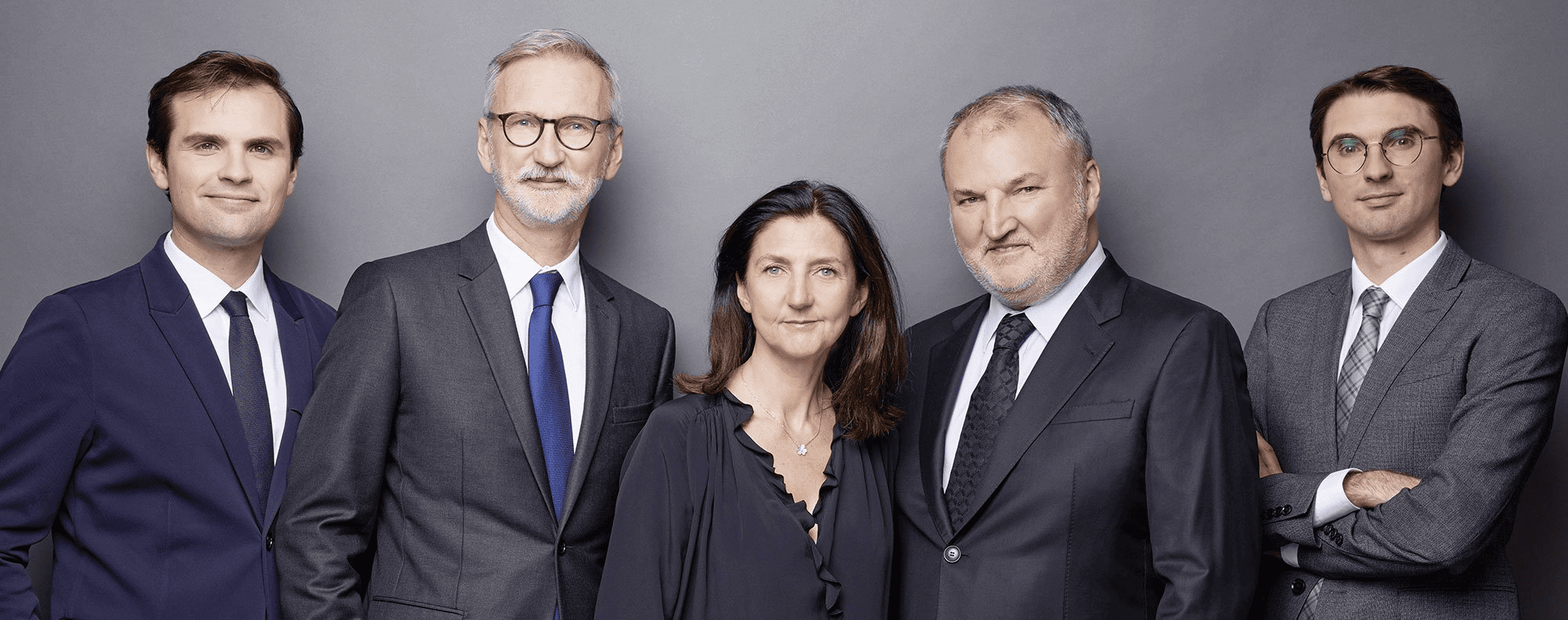
That of the Cassegrain family, who inherited the passion for leather and creativity from the Le Maison's founder : Philippe Cassegrain. Today, the House is in the hands of the third generation of Cassegrain: his eldest son, Jean is the CEO, his daughter, Sophie Delafontaine, the creative director, and his younger son, Olivier, leads the brand’s development of American boutiques.


The Longchamp Story
1945
The parisian impetus

The parisian impetus

Jean Cassegrain takes over "Au Sultan", the luxury tobacco shop founded in 1926 by his parents

Located in the heart of Paris, the House is ideally placed: "It was situated at boulevard Poissonnière, in the second arrondissement. At the foot of the building was the civette. It was the place to be back then! It was a busy shopping area. It was a quite a breakthrough, from the Place de la République to the Madeleine. The Champs- Élysées barely existed..." recalls Philippe Cassegrain.

1948
INNOVATION & QUALITY

INNOVATION & QUALITY

On | February 1948, Jean Cassegrain paves the way for a great adventure in French leather goods. Right from the start, the Maison sets the tone by creating a leather-covered pipe.

Jean Cassegrain establishes Longchamp's reputation, attracting both international clientèle who frequent the Grands Boulevards and local Parisians who are no strangers to the capital’s theatres. Boosted by the impetus of the times, Longchamp's success can be summarised in two words: Innovation and Quality.

1948
Longchamp by Philippe Cassegrain

Longchamp by Philippe Cassegrain

For Philippe Cassegrain, the Longchamp Maison is more than a company, it's a family adventure.

Born in 1937, Philippe was 11 years old when his father founded Longchamp in 1948. As the brand celebrated its 70th anniversary, he shared his memories of the first founding decade, from the early days to the founding characteristics that constitute the essence of Longchamp. "At the time, we didn’t go to school on Thursdays, so we made cigarette cases or passport cases for example; I had a small gilding machine to mark Longchamp in gold leaf."

1948
The Paris Fair

The Paris Fair

Jean Cassegrain selects crocodile and lizard leathers and surrounds himself with the best craftspeople.

He presents this new collection for the first time on May 1st, 1948 at the Paris Fair, a major meeting place for innovations where luxury houses eagerly return after the war. Philippe remembers: “My father welcomed customers from all over the world to his booth, curious to discover the latest novelties and up-and-coming fashion styles. It is necessary to understand the context : this was the year when the public discovered the first television sets, and they worked - a revolution! ”

1948
Inspiration made logo

Inspiration made logo

During his daily rides between his home and the center of Paris, Jean Cassegrain enjoys the view of one of the last “mills” in the capital.

Nestled at the end of the Longchamp racecourse, he begins to play with the sound of his surname, reminiscent of milling – “cass-grain:” literally “seed-breaker” – and associates it with the world of saddlery for which he designs his collections. Drawing from his inspiration, Jean Cassegrain commissions Turenne Chevallereau to design the symbol that Le Maison will never stray from. The movement of a galloping horse, a symbol of elegance, gives rise to what would become the emblem of the Le Maison.

1955
Launch of small leather goods

Launch of small leather goods

The brand's international expansion gives Jean Cassegrain the idea to create leather passport covers embossed with gold leaf and each country’s emblem.

Following its success, Jean Cassegrain expands the Maison’s product offering by introducing small leather goods to his collections.

1956
Travels & discoveries

Travels & discoveries

Jean Cassegrain sees an opportunity and seizes it: it is time his eldest son travels and explores new cultures.

At age 16, young Philippe boards a Union-Castle liner to Africa. The following year, in 1954, when he turns 17 years old, Philippe travels to Hong Kong for the first time. After his African and Asian travels, a trip to North America follows. Over three consecutive years, Philippe travels there regularly and lays the Le Maison’s foundations.

1959
Opening of the first workshop

Opening of the first workshop

To support Longchamp's growing success, Jean decides to invest in his very own workshop.

He chooses to set up in Segré, a small town near Angers, where he can rely on the expertise of Mr and Mrs Allet and their team, who had already been working for the Maison for several years.

1961
The rise with Orly

The rise with Orly

As early as the 1960s, the Orly Sud airport terminal exemplifies a remarkable revolution.

The terminal attracts not only travelers, but also tourists who come to see the planes take off from its open terraces and hoping to meet Audrey Hepburn, Greta Garbo, Romy Schneider, or Ray Charles who chose Orly to give his Parisian interviews. Philippe recalls : "Very early on my father set up a Longchamp booth in Orly showcasing suitcases. I opened that first store. It was an adventure. By seven in the morning, I was already selling much luggage, and in the afternoon, I was at the office.”

1971
the 70's

the 70's

Longchamp celebrates women

In 1971, Philippe Cassegrain designs his first bag for women

1971
The art of collaboration

The art of collaboration

Jean Cassegrain takes over "Au Sultan", the luxury tobacco shop founded in 1926 by his parents

Located in the heart of Paris, the House is ideally placed: "It was situated at boulevard Poissonnière, in the second arrondissement. At the foot of the building was the civette. It was the place to be back then! It was a busy shopping area. It was a quite a breakthrough, from the Place de la République to the Madeleine. The Champs-Élysées barely existed..." recalls Philippe Cassegrain.

1988
 Opening of the first flagship store

Opening of the first flagship store

Longchamp enters the world of retail with the opening of its first flagship store in 1988 at 390 rue St Honoré, in the heart of Paris, the fashion capital of the world.

This prestigious address is chosen by Michèle Cassegrain, Philippe’s wife and head of the Longchamp Boutiques. Following on from this first flagship store, she leads a remarkable expansion of the distribution network, which now boasts 300 own-brand boutiques.

1993
 The launch of an icon: Le Pliage

The launch of an icon: Le Pliage

Le Pliage: Lightweight designs still pose a major challenge for all leather goods manufacturers. How do you bring together the lightness of a feather with the durability of a bag?

The solution seemed unsolvable in the early 90s. But the mysteries of arithmetics piqued Cassegrain's curiosity... because each impossible project only drove the craftsmen to develop the Maison's savoir-faire further. And so, Le Pliage was born. This iconic line would change the history of the Maison forever.

1993
 A second icon is created: the Roseau tote bag

A second icon is created: the Roseau tote bag

The Roseau: this large leather tote bag with a bamboo-shaped jewel fastening marks the start of a tremendous success.

A journalist- and trend setter-favourite, it makes appearances in the front rows of fashion shows and the streets of Paris. And yet, at first glance, it seems like a bit of an outsider! It can’t be worn on the shoulder or across the body, and it doesn't close!

2006
 Asserting the Longchamp allure

Asserting the Longchamp allure

The new millennium has seen Longchamp reinforce its status as a Fashion House.

Under the artistic direction of Sophie Delafontaine, the brand defines the Longchamp woman: free and independent, Parisian and cosmopolitan. The brand sees the launch of their Ready-to-Wear collection in 2006, followed by shoes in 2012 and glasses in 2017.

2017
 A new architectural signature

A new architectural signature

In 2017, Longchamp reveals its new “Prismatic” visual signature in its boutique at the Kerry Centre in Shanghai.

This unique concept reappears the same year for the opening of the Maison’s flagship store in Omotesando, Tokyo. In 2018, the signature adorns the façade of the new flagship store on Fifth Avenue in New York.

2018
 The first fashion show at New York's Fashion Week

The first fashion show at New York's Fashion Week

8 September 2018, in a newly opened space: the 68th floor of the 3 World Trade Center.

Behind the scenes: the biggest names in the industry. 40 models: top celebrities and up-and-coming names. The guests: iconic celebrities and influencers. A year that celebrates the Maison’s 70th anniversary.

2019
 Le Pliage reduces its carbon footprint

Le Pliage reduces its carbon footprint

Since 2019, Longchamp has slowly replaced all virgin synthetic fibres in its collections for recycled fibres.

By 2023, this transition will have been completed and all the company's leather goods and canvas luggage lines will be made from recycled fibres. Starting with the entire Le Pliage range, the carbon footprint has been reduced by 20%. This approach is in line with the company's efforts to reduce its impact on the environment.

2019
 Launch of My Pliage Signature and Pliage Green

Launch of My Pliage Signature and Pliage Green

This innovation, unique to Longchamp, is a perfect combination of creativity, technological innovation and environmental responsibility.

The recycled version of our iconic model (the original nylon Pliage), this time made from 100% recycled nylon. In 2023, all the synthetic fabrics we use will be woven from recycled yarn.

2022
 Longchamp, a family story

Longchamp, a family story

To describe Longchamp, is to write a family story.

That of the Cassegrain family, who inherited the passion for leather and creativity from the Le Maison's founder : Philippe Cassegrain. Today, the House is in the hands of the third generation of Cassegrain: his eldest son, Jean is the CEO, his daughter, Sophie Delafontaine, the creative director, and his younger son, Olivier, leads the brand’s development of American boutiques.
The Longchamp Story